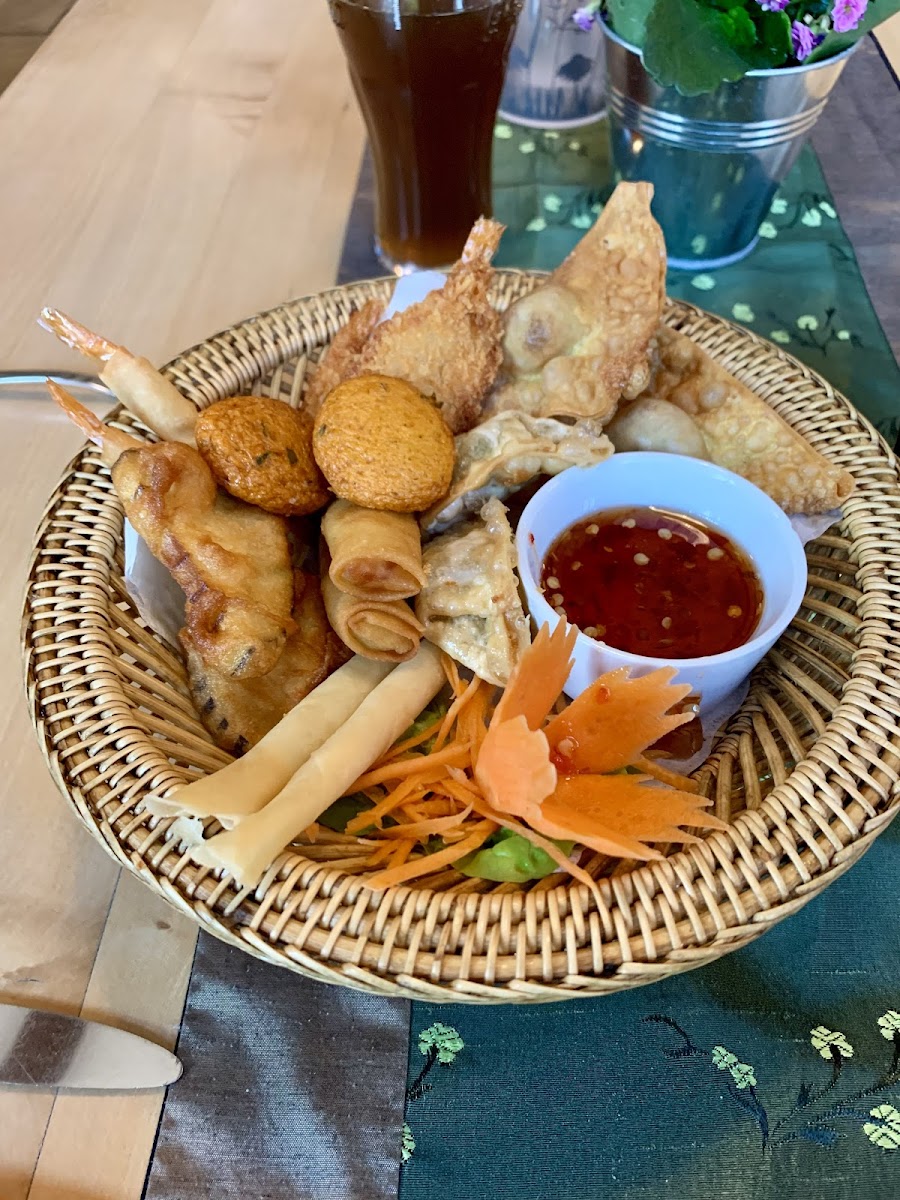
Thai food from here was very good one in Heilbronn .
Overview
Walking into Weinstube Weingand feels like stepping into a living snapshot of Swabian wine culture, the kind that locals quietly protect and visitors are lucky to discover. Tucked along Weinsberger Str. 41, 74072 Heilbronn, Germany, this traditional wine tavern balances history, food, and hospitality in a way that never feels staged. Instead, it feels lived-in, as if every wooden table has heard decades of conversations over a shared bottle.
The first thing that stands out is the atmosphere. Low ceilings, warm lighting, and rustic details create a space that encourages you to slow down. On my last visit, a regular at the neighboring table explained how his family has been coming here for over twenty years, always ordering the same regional red. That kind of loyalty says more than any advertisement ever could. The location itself makes it easy to drop in after a walk through central Heilbronn, yet it still feels removed from the rush of the city.
The menu stays true to regional roots, and that focus shows in both flavor and execution. Dishes lean heavily into Swabian classics, prepared with a consistency that comes from repetition and care rather than reinvention. The Maultaschen arrive rich and comforting, while the slow-cooked meats reflect techniques passed down through generations. According to the German Hotel and Restaurant Association, traditional regional menus continue to outperform trend-driven concepts in guest satisfaction, largely because diners value authenticity and familiarity. This place is a clear example of that principle in action.
Wine, of course, is at the heart of the experience. Heilbronn sits near one of Germany’s most productive wine-growing areas, and the wine list proudly reflects that. Local Trollinger and Lemberger wines dominate, many sourced from small regional producers. The staff doesn’t just pour; they explain. During one visit, a server walked me through how the soil composition around Heilbronn influences acidity and aroma, breaking down a complex topic in a way that made sense even to casual drinkers. The Deutsches Weininstitut has long highlighted Württemberg wines for their food-pairing versatility, and tasting them alongside hearty dishes here makes that claim easy to believe.
Reviews often mention the service, and for good reason. The team operates with quiet confidence, never rushing guests but always staying attentive. There’s a noticeable rhythm to how tables are managed, likely the result of years of experience rather than formal training manuals. Hospitality researchers frequently note that diners remember service quality longer than specific dishes, and that idea holds true here. Even on busy evenings, interactions feel personal rather than transactional.
One phrase that comes up often in conversations about this spot is authentic German wine tavern, and it fits without exaggeration. Another guest once described it as a place where time slows down, and after spending an evening there, that description stuck with me. These impressions aren’t crafted by marketing language but earned through consistency.
That said, there are a few limitations worth noting. The menu doesn’t change dramatically with seasons, which might disappoint diners seeking constant novelty. Seating can also be tight during peak hours, especially on weekends, so reservations are a smart move. Still, these minor constraints are part of what keeps the experience grounded and predictable in the best way.
For anyone browsing reviews and searching for a restaurant that reflects local culture rather than tourist trends, this spot delivers. It combines reliable food, thoughtful wine selections, and a setting shaped by years of shared meals. In a dining landscape increasingly driven by fleeting concepts, this tavern quietly proves that tradition, when done well, still holds its place at the table.
Good to know
Service options
✓ Outdoor seating ✓ Dine-in ✓ DeliveryHighlights
✓ Great coffee ✓ Great wine listPopular for
✓ Lunch ✓ Dinner ✓ Solo diningAccessibility
✓ Wheelchair-accessible entranceOfferings
✓ Alcohol ✓ Beer ✓ Coffee ✓ Healthy options ✓ Late-night food ✓ Spirits ✓ WineDining options
✓ Lunch ✓ Dinner ✓ Dessert ✓ Seating ✓ Table serviceAmenities
✓ ToiletAtmosphere
✓ Casual ✓ Cosy ✓ QuietCrowd
✓ GroupsPlanning
✓ Reservations required ✓ Dinner reservations recommended ✓ Accepts reservationsPayments
✓ Debit cards ✓ NFC mobile payments ✓ Credit cardsChildren
✓ Good for kids ✓ High chairsParking
✓ Free parking lot ✓ ParkingPhotos
1 / 4
Location
Reviews
- No ratings yet 189 reviews
Ein kleiner Geheimtipp...hier gibt es deutsche und thailändische Küche. Beides total lecker und sehr zu empfehlen. Ich habe selten besser gegessen in Heilbronn. Die Preise sind noch sehr okay. Das Ambiente nichts besonderes und die Getränke sind eher beiläufig...wir kommen immer gerne wieder...
Gute schwäbische Küche und sehr leckere Thailändische Gerichte. Service freundlich und zuvorkommend. Sind durchweg zufrieden. Nur schade dass wir unseren kleinen Hund nicht mitnehmen können, sonst würden wir gerne öfters kommen.
Das Essen hat gut geschmeckt – das Schnitzel war lecker und solide zubereitet, auch wenn es kein kulinarisches Highlight war. Besonders positiv war, dass das Essen sehr schnell serviert wurde. Das Ambiente hat einen urigen Charme, könnte aber mit ein paar modernen Akzenten etwas frischer wirken. Beim nächsten Besuch möchten wir unbedingt das Thai-Essen probieren, denn die Gerichte sahen fantastisch aus und haben uns neugierig gemacht. Fazit: Ein gemütlicher Ort mit leckerem Essen und schnellem Service – wir freuen uns darauf, beim nächsten Mal die Thai-Spezialitäten zu probieren!